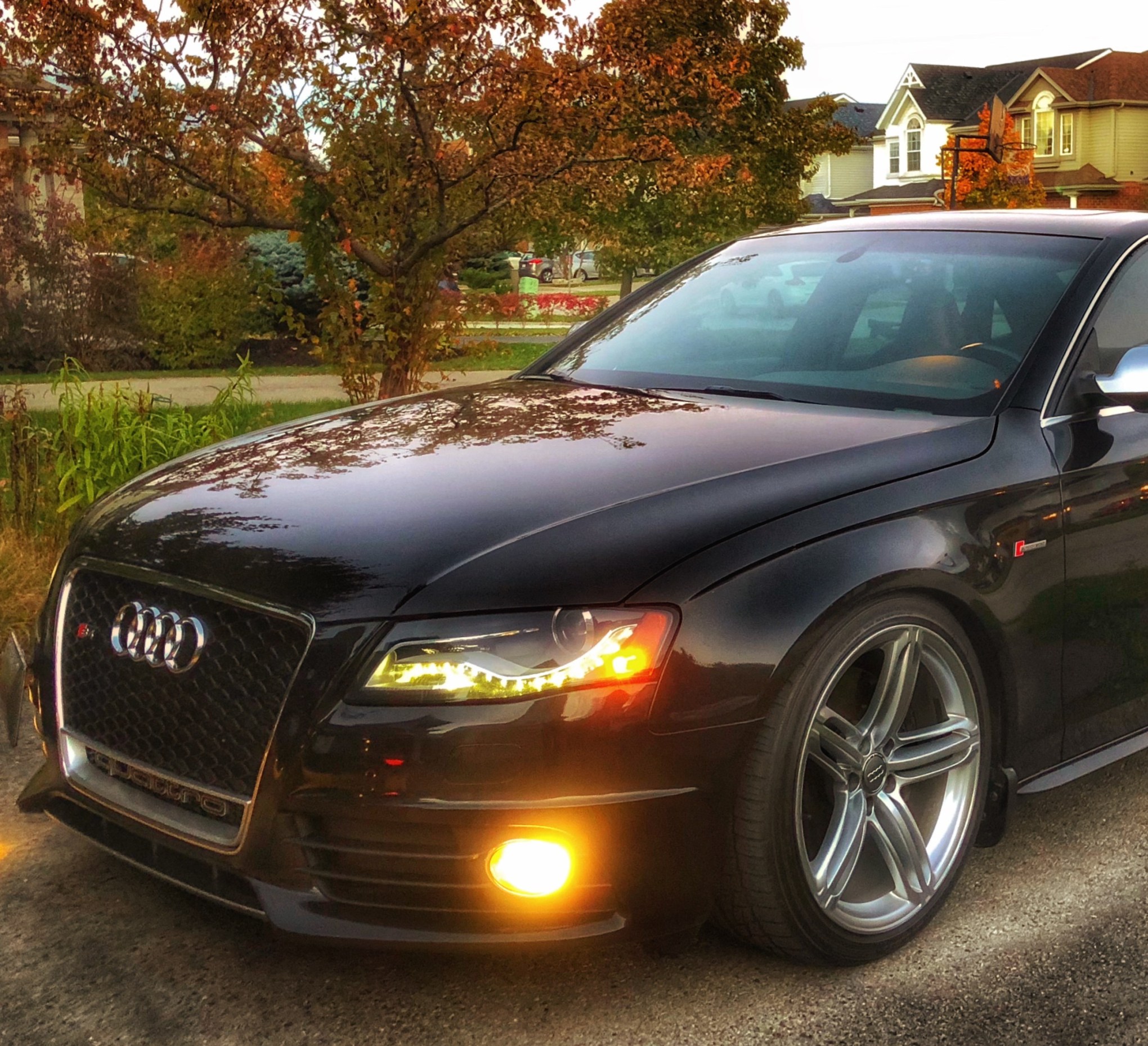
In my experience, the car you drive plays a crucial role in how you approach your morning drive. It will either enhance or detract from your enjoyment. If the car you’re driving is engaging, you’re more likely to be in a frame of mind that allows you the mental space to take in and appreciate your surroundings. It lets you appreciate the journey instead of just being focused on the destination.
As such, when it comes time to making a decision on what car to buy, the joy of the drive needs to be taken into account. I will try to outline my approach, partly to document it for myself but also in case it helps anyone else reading.
As I write this, there are nearly 380,000 used cars for sale in Canada. Add new cars available from dealerships and it’s clear you need to narrow down your search. Below are the steps I use.
Create a budget
- First and foremost, you need to assess your budget. You need to know the price bracket that you should be looking at. Whether that’s what’s in your bank account, or what monthly payment you’re comfortable with, knowing what you have to work with is crucial. There’s no sense looking at Ferraris if all you can afford is a Fiat.
- If you’re planning on trading in your current car, you need to establish a range that you could realistically expect to get for it. There are tools online like autotrader that can give you an estimate, but in my experience there’s no substitute to going to a dealership and asking them directly. Doing this at a range of different dealerships will you give you a pretty good idea. You don’t have to physically visit the dealership, most will provide an estimate via email, however an on site inspection will be more accurate. Have at least six photos of your car (from all angles as well as the interior) and your VIN Number handy if you plan on asking for a quote via email
- Once you’ve gone through the first two steps, you can now establish your price bracket. This should be +/- $2,000 of the number you calculated. Having a price bracket accounts for differences in interest rates (if you’re borrowing), and trade in values.
Identify your needs
- The idea here is to narrow down your focus so that you can ensure you end up with a car that checks all the boxes for you and also gives you a manageable list to work with
- Brand
- Are you loyal to a certain brand (Toyota, Ford, etc) or region (Japanese, European, Etc)?
- Car Type
- Are you looking for a minivan or a sport coupe? Hatchback or sedan?
- Must Have Features
- Are there any features or options that are non negotiable? In the great white north, heated seats are essential. Perhaps in Texas not so much.
- Vehicle Age/Mileage
- Most of the info on this post concern used cars however even though new cars are the most expensive proposition; if you’re looking at financing a car your budget can stretch a lot further as most dealerships offer incentives and discounted interest rates when buying new.
- When looking at used, I suggest you look for a car that is still covered by the manufacturer’s warranty. This will most likely mean a car that is less than 5 years old and has less than 80 thousand kilometers on it.
- If you’re handy and enjoy tinkering (like me), you might want to look at older car too as you’ll get more car for your money. Just make sure you budget for the necessary maintenance that will be needed. The other consideration with older cars is the technology. If you “must” have iPhone integration, you’ll most likely need a newer model
- Colour
- Is there a particular colour(s) you’re looking for? Some manufactures are really stingy when it comes to colour options. I tend to leave to colour decision until I’ve narrowed down my list to a handful of cars.
Search
- I find the best place to start your search (at least in Canada) is Autotrader. You can plug in the decisions you made above into their search and you should end up with a manageable list to sort through. Other options include Kijiji, Ebay, or Craigslist.
- Once you find a car that you’re interested, navigate directly to the dealer’s website and look at the listing there as well. Sometimes there is a price difference, and sometimes there are dealer specials that you want to be informed about prior to calling them up
- Narrow down your list to no more than 10 cars, you can eliminate cars that aren’t the right colour at this stage
- Call up or email the dealership to get more info such as:
- Availability
- Carproof/Carfax report – be weary of cars with expensive previous accidents or cars that have been used as rentals
- Trade in value appraisal
- I find your experience when you first contact the dealer will help inform your decision on whether you want to work with them or not. Good dealers are attentive and communicative.
- Take the car for a test drive. it’s hard to quantify the experience from a distance. If you’re buying a car from a dealer that is not close by, you can always go to a local dealer to test out a similar car. Every car has a personality, make sure it’s one you’re compatible with!
Make an offer
- Once you’ve found the right car, let the dealer know you’re interested in purchasing.
- Negotiate the final price
- Ask the dealer to put together an offer sheet. This will detail any additional charges the dealer may be adding so that you know what you’re dealing with
- Since you’ve spent some time searching you should know if the price you’re being quoted is good or high. Either way, don’t be afraid to ask for a discount.
- Don’t haggle on price, but if you have a number in your head ask for it in a nice way. If the dealer can meet it, they will come back with a counter offer. If they can’t they’ll tell you so. My point here is that if you don’t ask, you wont get. So don’t be afraid to ask.
- Some dealerships offer “no haggle” pricing and may not budge on the price. In these cases it may be possible to negotiate additional benefits such as Winter tires, Oil Changes, etc.
- Going through these type of negotiations can be uncomfortable for some but the more you do it, the easier it gets. Just remember two things: 1)always be respectful 2) always be prepared to walk away
- Lastly, always give the car a thorough test drive prior to signing anything. Try out all the features and buttons, assess the body for damage and if possible take it to an independent mechanic for inspection. You can make a satisfactory pre-purchase inspection a clause in your purchase agreement
Post Purchase
- Unless you have detailed maintenance records, assume the car did not have the last scheduled maintenance completed. Get that done as soon as possible. At the very least, get the oil changed
- Take it to your dealership and confirm that there are no outstanding recalls or service bulletins for your vehicle
- Last but not least, enjoy your first morning drive in your new car!
If you’ve made it this far, I appreciate your perseverance! I hope some of this is helpful, and if you have any questions don’t hesitate to reach out.
Good luck on you next car search!
 My Morning Drive